News
2026-03-07

Strategic analysis of US market dynamics, technology roadmaps, and procurement excellence.
Latest industry estimates place the US touchscreen market in the multi‑billion dollar range, with adoption broadening beyond smartphones into automotive, industrial HMI and retail. This data‑driven overview explains current market size, growth trajectory and why product teams, investors and buyers must align roadmaps and procurement to evolving demand and ASP dynamics.
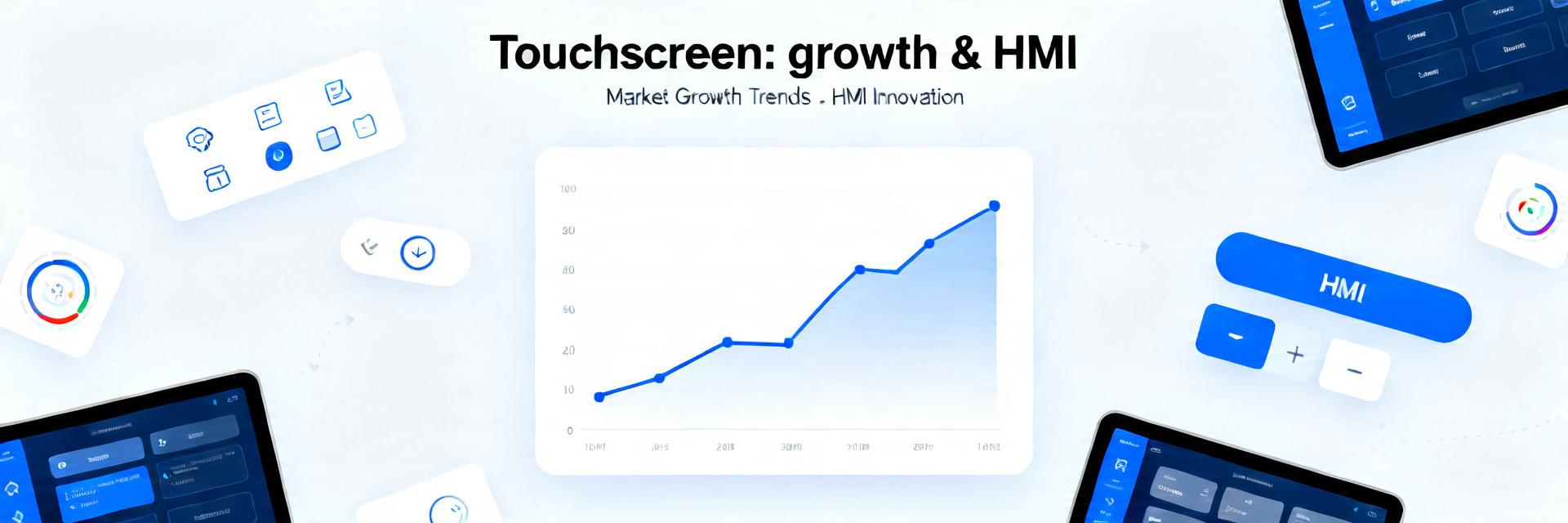
Figure 1: Cross-vertical integration of modern touch interfaces.
Defining the scope is critical for accurate forecasting. We include touch panels, sensor layers, controller ICs, and integration services. Benefit: By standardizing these definitions, procurement teams can benchmark costs effectively against real-world revenue metrics rather than inflated legacy data.
While smartphones lead in volume, Automotive and Medical sectors generate higher ASPs (Average Selling Prices).
• Smartphones/Tablets: High volume, low margin, rapid turnover.
• Automotive/Medical: Lower volume, 10+ year lifecycles, premium pricing due to safety certifications.
| Feature | Projected Capacitive (PCAP) | Resistive | Infrared/Optical |
|---|---|---|---|
| Durability | High (Scratch resistant) | Medium (Soft surface) | High (No surface wear) |
| Multi-Touch | Excellent (10+ points) | Limited (Single/Dual) | Good |
| Typical Use | Consumer/High-end HMI | Cost-sensitive Industrial | Large Signage/Kiosks |
| ASP Tier | Premium | Economic | Mid-High |
Revenue growth is currently outpacing unit growth in the US, primarily due to the transition to larger, more complex panels in automotive cockpits and retail kiosks. When a screen size increases from 7" to 15" in a vehicle, the BOM (Bill of Materials) cost doesn't just double—it scales exponentially due to yield complexities and structural reinforcement requirements.
Eliminates external sensors, streamlining the "clean glass" aesthetic for medical and premium mobile devices.
Provides tactile feedback for "blind operation" in automotive settings, significantly increasing driver safety.
"When designing for industrial HMI, the biggest failure point isn't the sensor—it's EMI (Electromagnetic Interference). Always ensure your controller IC is grounded properly to the chassis to prevent 'ghost touches' in high-noise environments."
Dr. Marcus Vane, Senior Integration Architect
Hand-drawn schematic, non-precise circuit diagram
Automotive Cockpits: Beyond simple GPS, we are seeing pillar-to-pillar displays. User Benefit: Certified touch accuracy across -40°C to +85°C ensures the interface works during extreme weather, where consumer tech would fail.
Medical Environments: Surfaces must withstand harsh chemical disinfectants. User Benefit: Anti-microbial coatings and gloved-touch compatibility allow doctors to operate devices without removing PPE, saving critical seconds in surgery.
It is a mix of unit volume (dominated by mobile) and revenue value (dominated by automotive/industrial). Currently, the "Value" segment is growing faster than the "Volume" segment due to advanced sensor integration.
Prioritize low latency (
The US touchscreen market is evolving from a "component" market to a "solution" market. Success requires balancing rapid technological adoption with the rigorous validation standards of high-value verticals.




{{ boxName }} ({{ dataList?.length || 0 }} Items)
{{ val.manufacturer || val.en_manufacturer || '' }}
auto.lang_Quantity: {{ val.quantity }}
auto.lang_null