News
2026-03-07

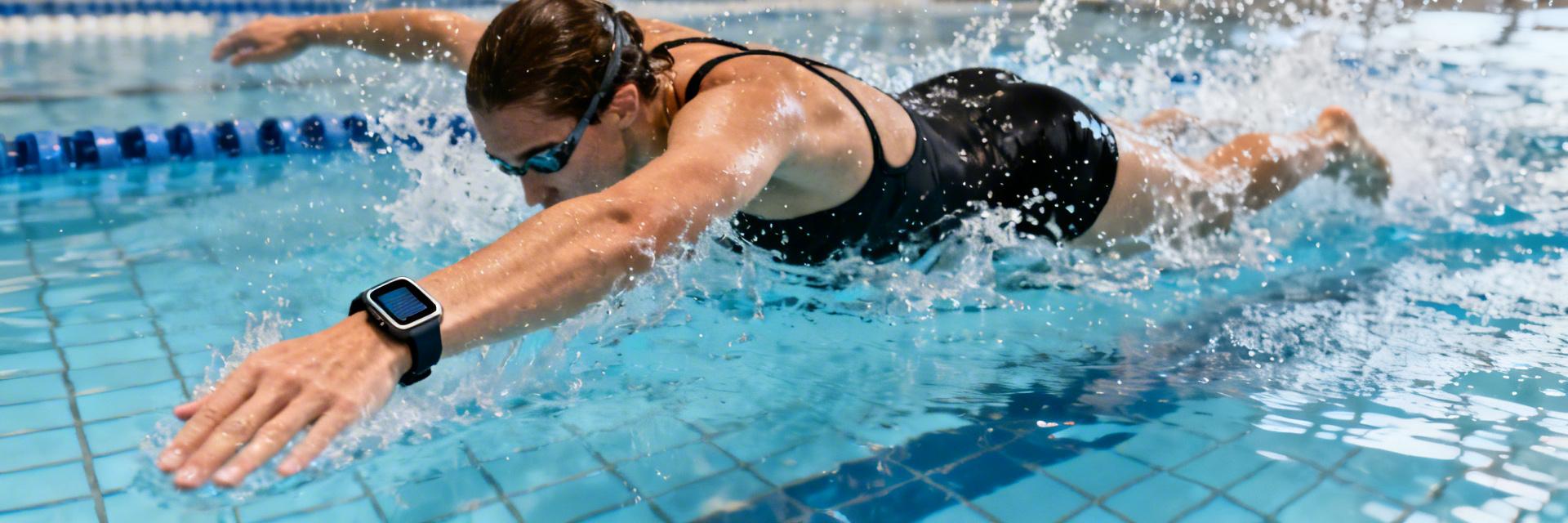
The swim-focused segment of the wearables industry is gaining measurable momentum in the US. Beyond simple step counting, the niche is growing at a mid-single-digit CAGR as swimming evolves from a casual hobby into a data-driven training discipline. For product teams and investors, this represents a shift from "generic trackers" to "specialized training platforms."
Economic Opportunity: The US market revenue sits in the low hundreds of millions, with seasonal peaks aligned with triathlon windows.
→ User Benefit: Increased investment means consumers now receive frequent firmware updates and better cloud-based coaching ecosystems, extending the product's useful life by years.
Channel Strategy: Most early-stage purchases occur online or via specialty retailers.
→ User Benefit: Technical buyers get access to deep expert reviews and aftercare support that mass-market electronics stores typically lack.
| Feature | Entry-Level Tracker | Mid-Range Watch | Premium Multisport |
|---|---|---|---|
| GPS Type | Connected (Phone) | Single-Band GPS | Multi-Band (Open Water) |
| Metrics | Laps, Basic Calories | Stroke ID, SWOLF | Advanced VO2 Max, CSS |
| Controls | Touchscreen | Hybrid (Touch/Button) | Physical Buttons (Tactile) |
| Battery Life | 3-5 Days | 7-10 Days | 14+ Days (Training Mode) |
Demand clusters into distinct groups: Competitive Swimmers (focused on stroke analytics), Triathletes (open-water GPS reliability), and Safety Buyers (live-location for children/seniors).
Regional Insight: Coastal and high-income urban areas show the highest subscription rates for coaching apps.
→ Market Tip: Marketing should target coastal training clubs where "lifetime value" (LTV) is 40% higher than inland recreational markets.
High-performance devices must prioritize SWOLF (Swim Golf) and IMU-driven turn detection.
→ User Benefit: "SWOLF tracking" isn't just a number—it’s the key to reducing drag and increasing speed without increasing heart rate.
By Dr. Julian Thorne, Senior Hardware Architect
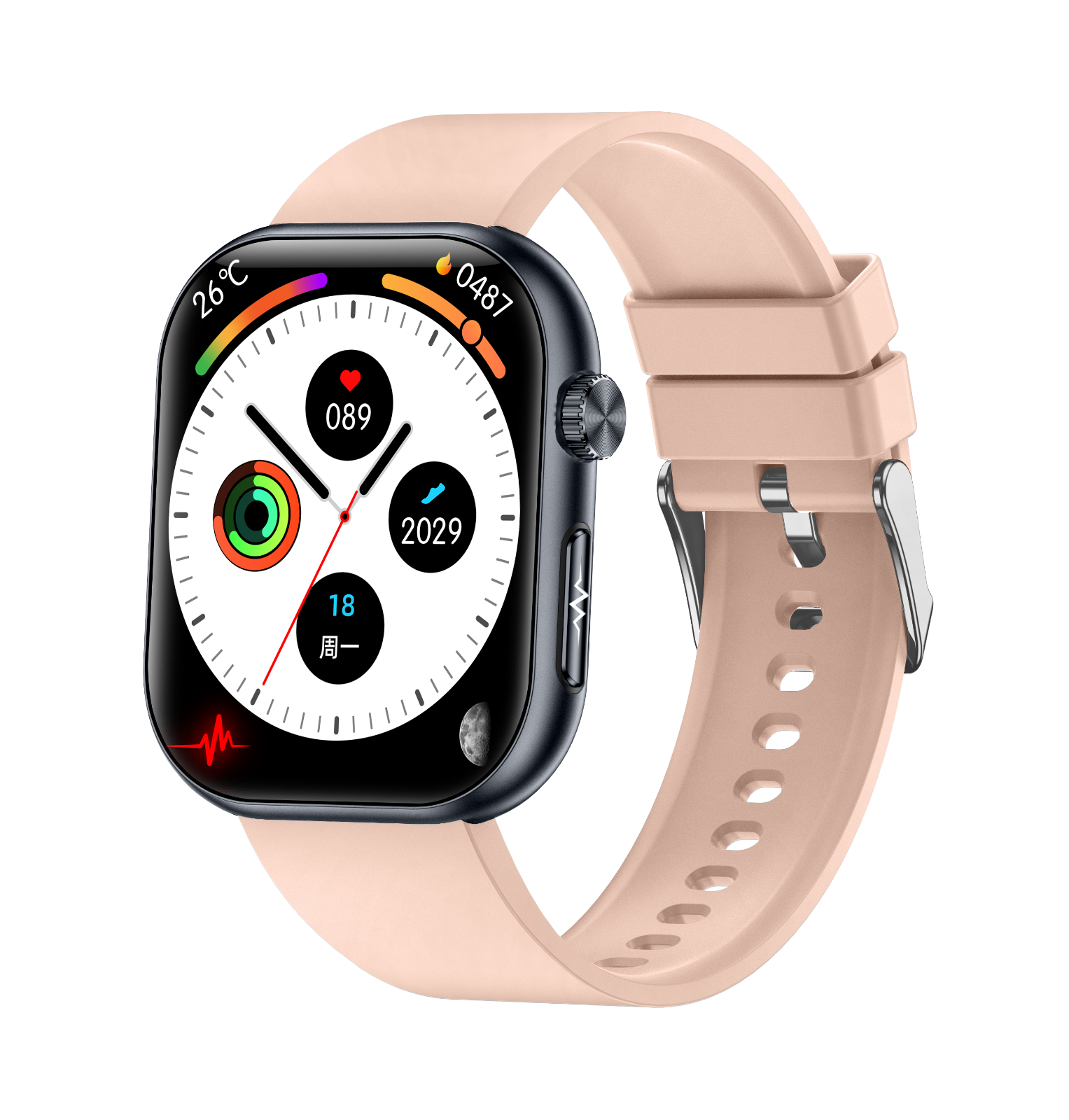
"When designing for the US market, avoid touch-only interfaces. In pool environments, water creates 'ghost touches.' We recommend physical buttons with a 1.2mm travel for tactile feedback through thin gloves or wet hands."
Fig 1.1: Optimized Sensor Placement Schematic
Product teams should sequence roadmaps based on Reliability > Analytics > Connectivity.
→ Real-world Application: A triathlete doesn't care about social sharing if the GPS loses signal 500m into a 2km swim. Accuracy is the foundation of brand trust.
Precise lap counting and stroke classification are non-negotiable. Metrics like SWOLF and interval/set support allow swimmers to measure efficiency and manage fatigue across long sessions.
Validation requires multi-swimmer protocols (varying stroke styles and flip-turn intensities) compared against manual logs. Benchmarks should aim for ±1% lap count accuracy to satisfy technical users.
Specialty swim retailers and Direct-to-Consumer (DTC) channels. When paired with firmware updates and coach endorsements, these channels yield the highest customer lifetime value (LTV).
The US opportunity is steady and segment-driven. Prioritize core tracking accuracy, align with seasonal peaks, and build ecosystem stickiness through technical excellence.
Download Full Market Report© 2024 Wearable Strategy Insights. All rights reserved. Professional industry analysis for the US Swimming Market.




{{ boxName }} ({{ dataList?.length || 0 }} Items)
{{ val.manufacturer || val.en_manufacturer || '' }}
auto.lang_Quantity: {{ val.quantity }}
auto.lang_null