News
2026-03-07

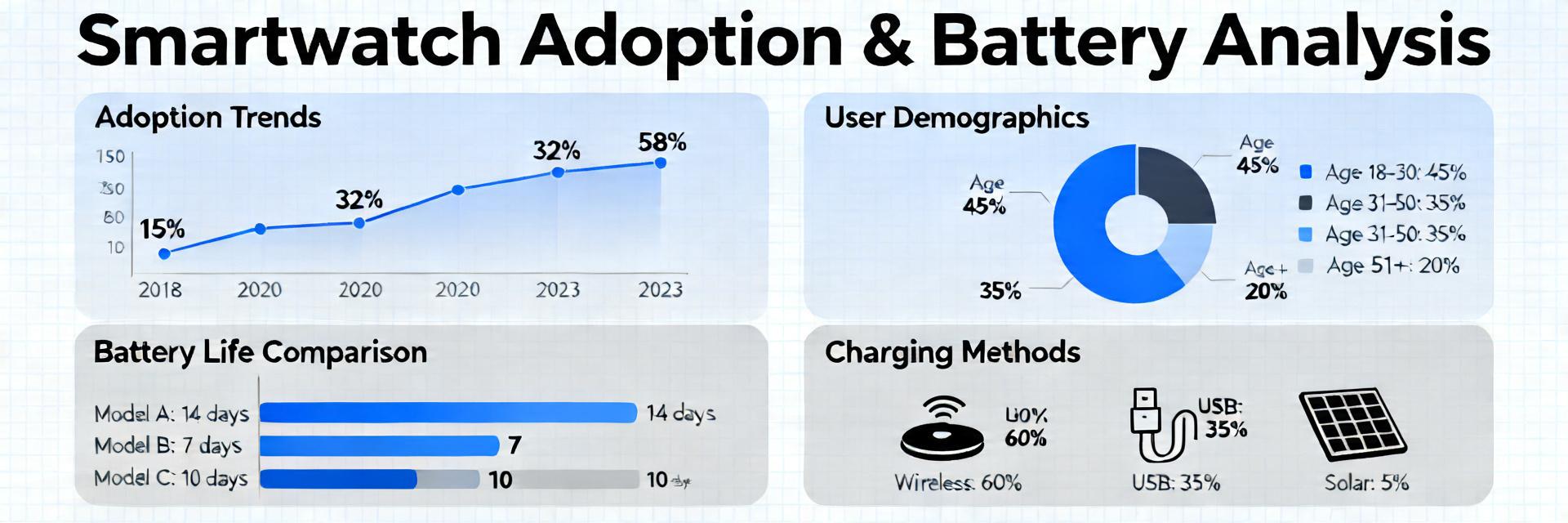
Recent US surveys and school-device audits indicate rising ownership and in-school use, with student smartwatch ownership moving into double digits across many middle and high school cohorts. This report examines adoption patterns, battery performance trends, primary use cases, and delivers actionable guidance for schools and parents weighing procurement and policy choices.
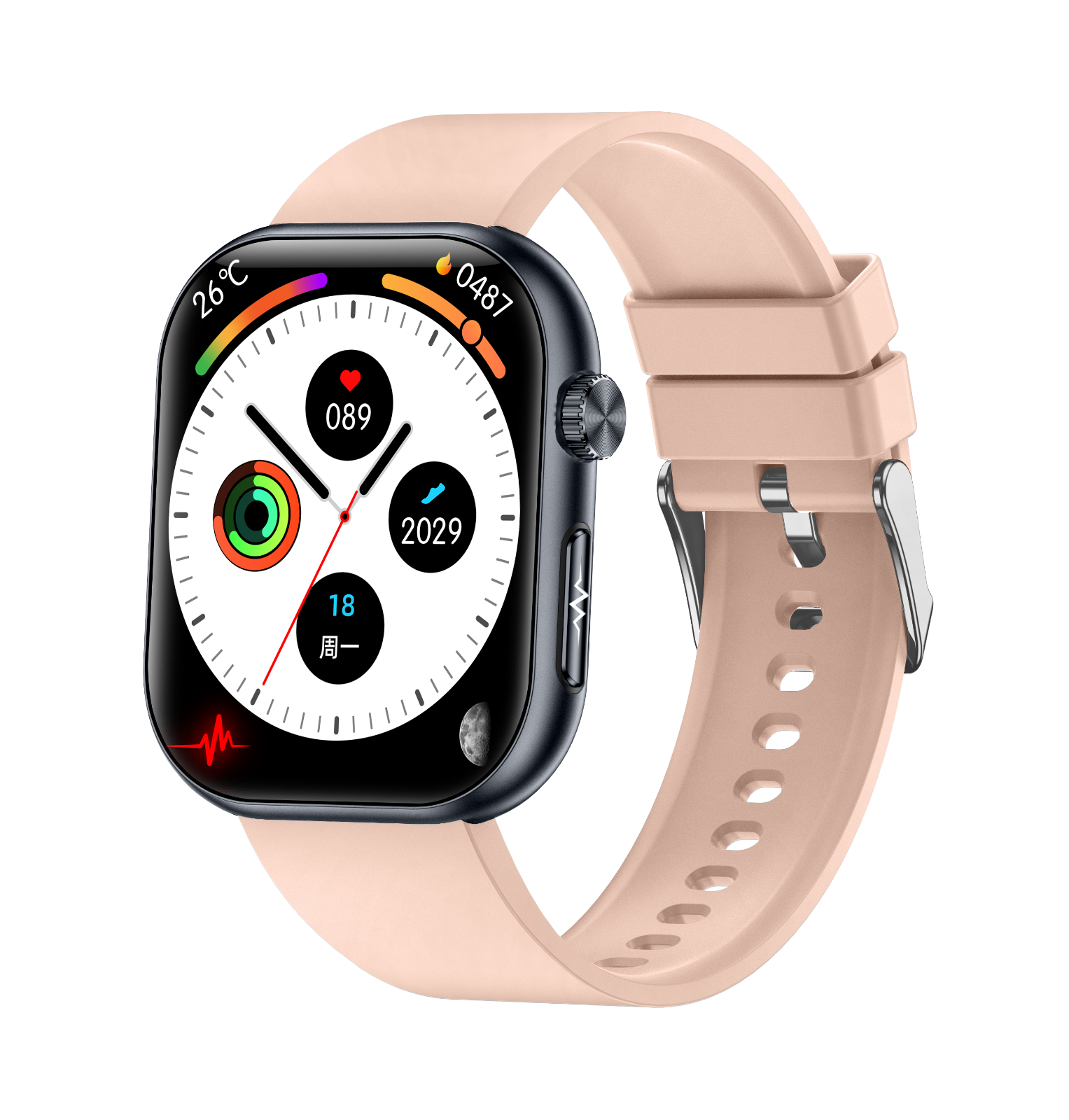
The "student smartwatch" category has evolved beyond simple toys. These are wrist-worn devices marketed to school-aged users featuring LTE calling, GPS, messaging, and dedicated "classroom modes."
Adoption is concentrated in middle and high school cohorts. Middle/high school students typically report the largest increases; lower-income households adopt more slowly.
Manufacturer runtimes often overstate in-field performance. When LTE and continuous GPS polling are enabled, "multi-day" batteries often drain within a single school day.
Expert Insight by Marcus V. Chen, Hardware Systems Lead
"To extend battery longevity, IT admins should enforce a 5-minute GPS polling interval. Continuous polling at 30-second intervals can degrade battery health by 15% faster over a 12-month cycle due to thermal stress. Also, ensure 'Classroom Mode' disables the LTE search function in low-signal areas—this is the hidden battery killer in older school buildings."
A repeatable checklist prevents costly mismatches. Successful pilots use uniform scoring across battery, management, and privacy.
Ideal Classroom Deployment Setup
Hand-drawn schematic, non-precise circuit diagram / Hand-drawn schematic, non-precise circuit diagram
Rising student smartwatch adoption paired with persistent battery limitations calls for measured pilots, clear policies, and battery-aware procurement.
Q: How long does a typical battery last in school?
A: Real-world mixed use typically yields 18–36 hours. Factors like low cellular signal and frequent GPS tracking significantly reduce this window.
Q: What is the main motivator for school adoption?
A: Safety and location tracking are the primary drivers for 50% of parents, followed by convenient communication (25%).




{{ boxName }} ({{ dataList?.length || 0 }} Items)
{{ val.manufacturer || val.en_manufacturer || '' }}
auto.lang_Quantity: {{ val.quantity }}
auto.lang_null