News
2026-03-07

US app analytics indicate rising demand for personalized running tools, with downloads, DAU, and in-app spending accelerating. This report maps the landscape for running companion apps, providing the benchmarks product teams need to capture quality users in a competitive ecosystem.
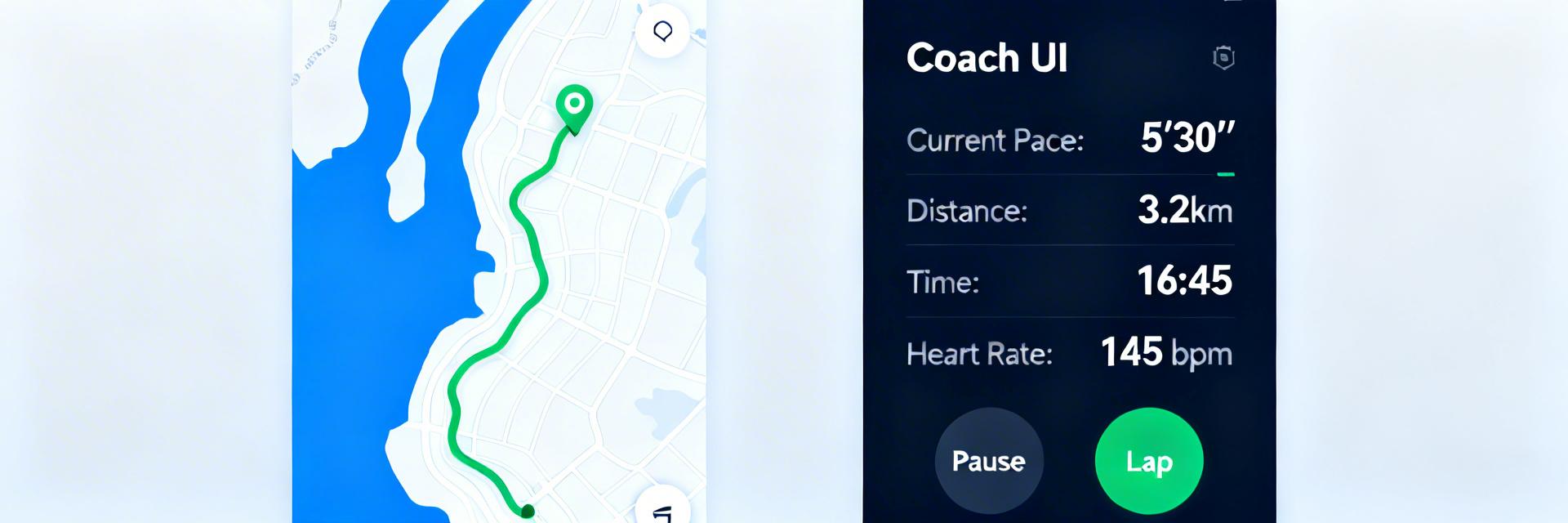
A true running companion app transcends simple step counting. Core functionality includes:
The US market has seen a shift from "general fitness" to "specialized performance."
| Metric | Standard App | Premium Companion | User Benefit |
|---|---|---|---|
| D30 Retention | 6-8% | 15-22% | Higher habit formation |
| Avg. ARPU | $1.20 | $4.50+ | Scalable marketing budget |
| Sync Friction | Manual | Auto-Wearable | Seamless experience |
Integration Ecosystem: Syncing with Garmin, Apple Watch, and Strava is no longer optional. It increases the "Stickiness" of the product by making the app the central hub for health data.
Hand-drawn sketch, not a precise schematic
"When building for the US market, the biggest churn driver isn't lack of features—it's battery drain during GPS usage. We recommend a sampling rate of 1Hz for high-accuracy mode, combined with intelligent filtering to save up to 15% battery on marathon-length runs."
Activation happens in the first 7 days. If a user doesn't log their first run within 48 hours of install, the probability of churn increases by 60%.
An anonymous mid-sized app introduced Micro-Clubs (groups of
Focus on three pillars for 2024-2025:
Q: What metrics should executives prioritize for a running app?
A: Focus on Cohort-Adjusted LTV:CAC and D7 Retention. These indicators reveal product-market fit and the long-term sustainability of user acquisition spend.
Q: Which GTM channels work best in the US?
A: Influencer community partnerships and App Store Optimization (ASO) consistently deliver the highest quality users compared to broad social media ads.




{{ boxName }} ({{ dataList?.length || 0 }} Items)
{{ val.manufacturer || val.en_manufacturer || '' }}
auto.lang_Quantity: {{ val.quantity }}
auto.lang_null