News
2026-03-07

Recent U.S. surveys and peer-reviewed studies indicate that a substantial portion of parents deploy location tools to monitor children, prompting debate about effectiveness, privacy, and family dynamics. This report summarizes U.S. usage patterns and safety stats, explains technical and legal baselines, and gives practical steps for parents, schools, and product teams to reduce harms while retaining benefits.

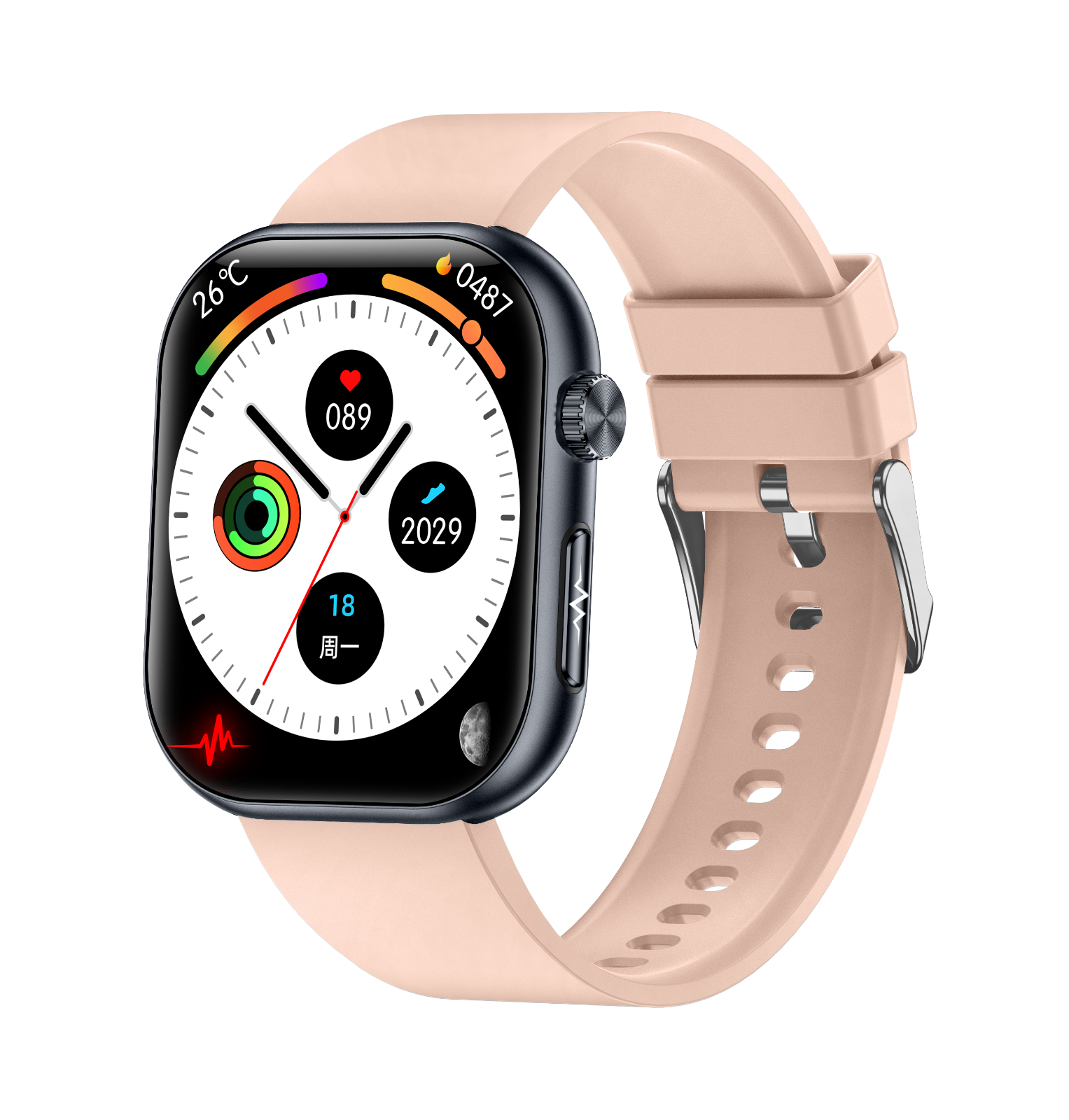
Types of kids location tracking devices fall into four consumer categories: wearables (watches, bands), smartphone apps, dedicated GPS tags, and geofencing/cloud services used by schools or providers. Core positioning technologies include GPS, cellular triangulation, Wi‑Fi positioning, and Bluetooth Low Energy (BLE), while features commonly offered are real‑time location, geofence alerts, SOS buttons, and battery/health monitoring.
| Feature | Generic GPS Tags | Premium Wearables | Smartphone Apps |
|---|---|---|---|
| Update Frequency | Every 5-10 mins | Real-time (60s) | Variable (OS limited) |
| Privacy Level | Basic Password | End-to-End Encrypted | High (Platform Sec) |
| Geofence Accuracy | Low (Indoor drift) | High (Hybrid Pos.) | Medium |
| Avg. Battery Life | ~1 Year (CR2032) | 2-4 Days | N/A (Phone dep.) |
U.S. regulatory context affecting children’s data is fragmented: federal laws like COPPA limit certain uses of kids’ data, while parental consent and state privacy rules vary. Schools often set independent device policies. This summary is informational and should be fact‑checked by a legal reviewer.
Surveys suggest adoption is highest among parents of younger children (ages 5-11). For questions like how many U.S. parents use kids location tracking, national surveys offer estimates ranging from 30% to 55% depending on the age group. Primary motivations include safety, logistical coordination, and situational monitoring.
Safety stats on accuracy show wide variance: GPS accuracy can be within a few meters in open sky but degrades in urban canyons. Documented misuse scenarios include unauthorized tracking by estranged adults and data breaches. Consumer investigations report that some budget devices collect metadata beyond location, increasing privacy risks.
Hand-drawn illustration, not a precise schematic | 手绘示意,非精确原理图
For parents: choose devices with privacy defaults. For developers: focus on data minimization and transparent deletion policies. Schools should adopt clear policies about permitted devices during instructional time.
Kids location tracking is widely adopted in the U.S. for safety and coordination. Technical limits and privacy risks require both technical safeguards and candid family conversations. Pair technical controls with transparent family agreements to balance safety and autonomy.
How many U.S. parents use kids location tracking?
Estimates vary, but nearly 50% of parents with children under 13 use some form of digital tracking for safety.
What are the privacy risks of kids location tracking?
Key risks include unauthorized third-party access, location history leakage, and profiling by data aggregators.
How to talk to kids about location tracking?
Focus on the "Why" (safety) and establish "When" (emergencies) to ensure tracking feels like a safety net, not a leash.




{{ boxName }} ({{ dataList?.length || 0 }} Items)
{{ val.manufacturer || val.en_manufacturer || '' }}
auto.lang_Quantity: {{ val.quantity }}
auto.lang_null